


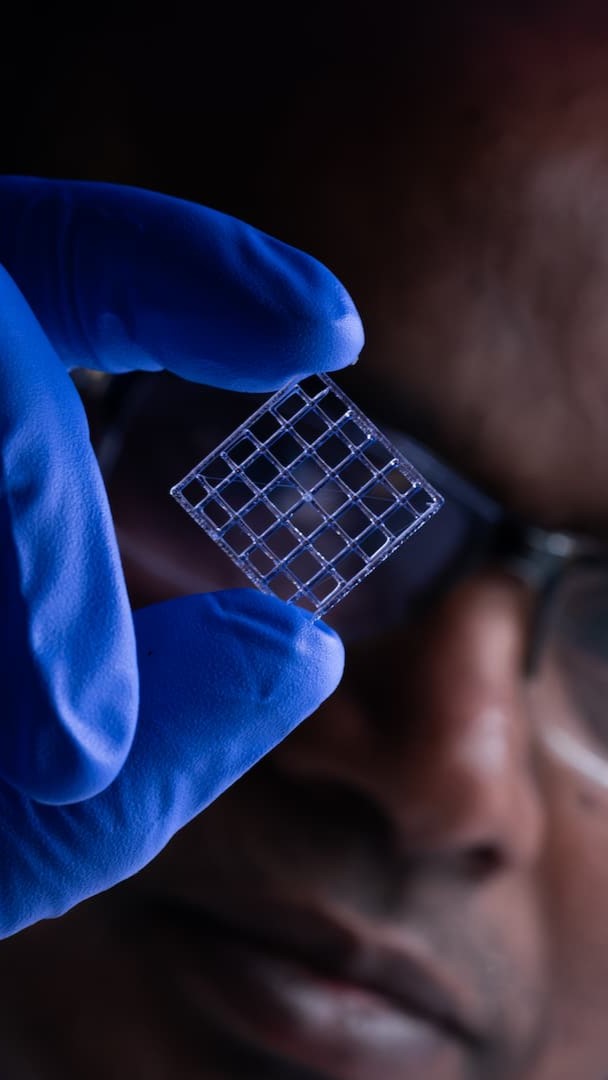
Driving Discovery. Delivering Impact.
Through powerful partnerships, world-class talent and cutting-edge facilities, we're turning ideas into solutions that drive innovation, fuel economic growth and have transformative impact across Alabama and beyond.
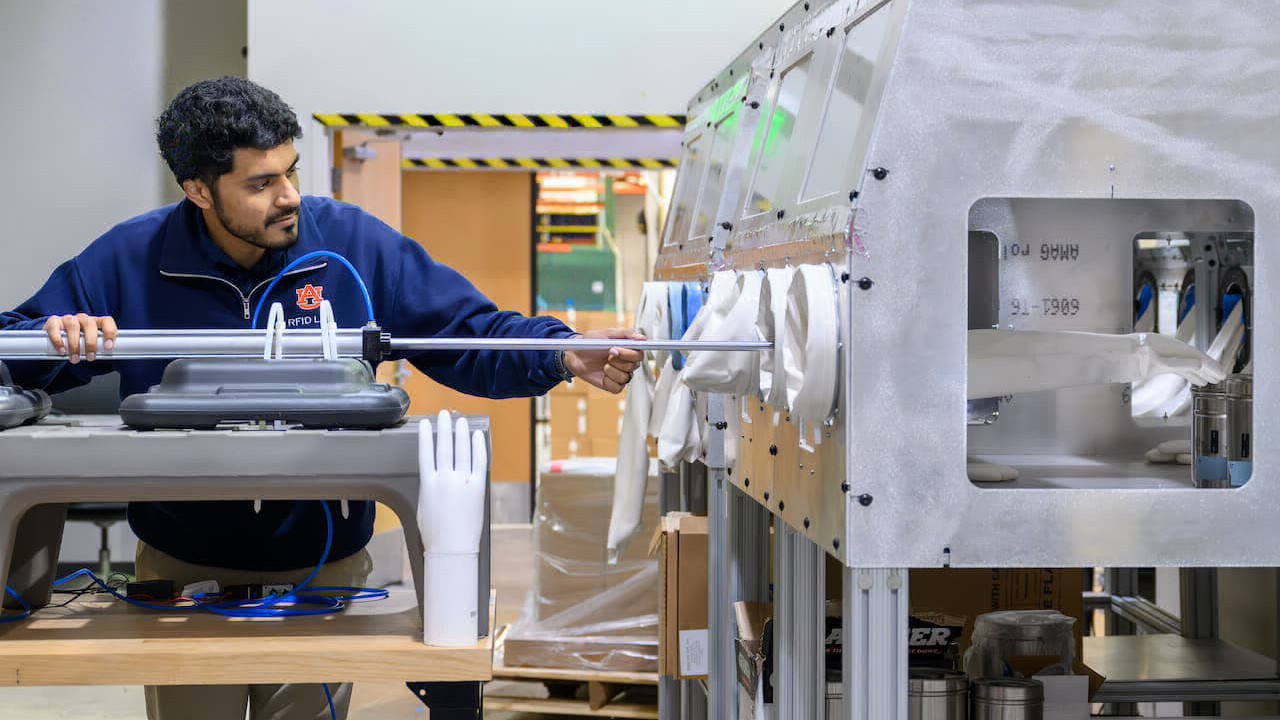


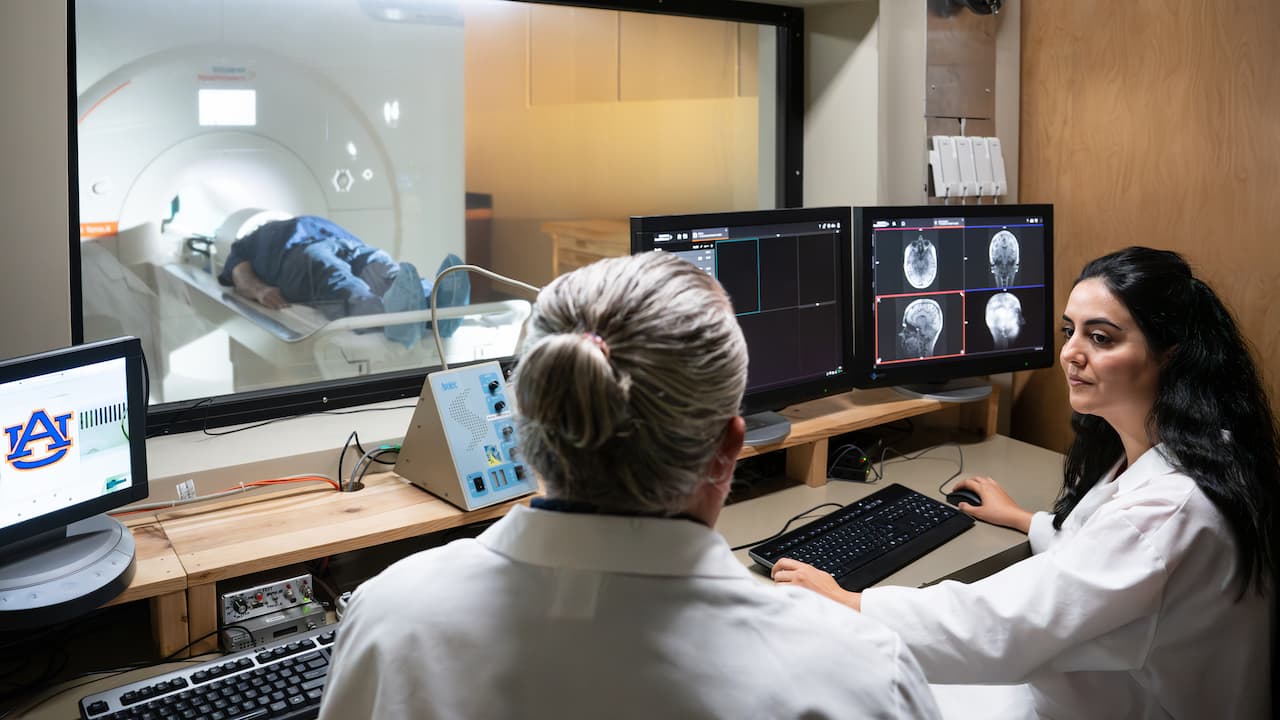
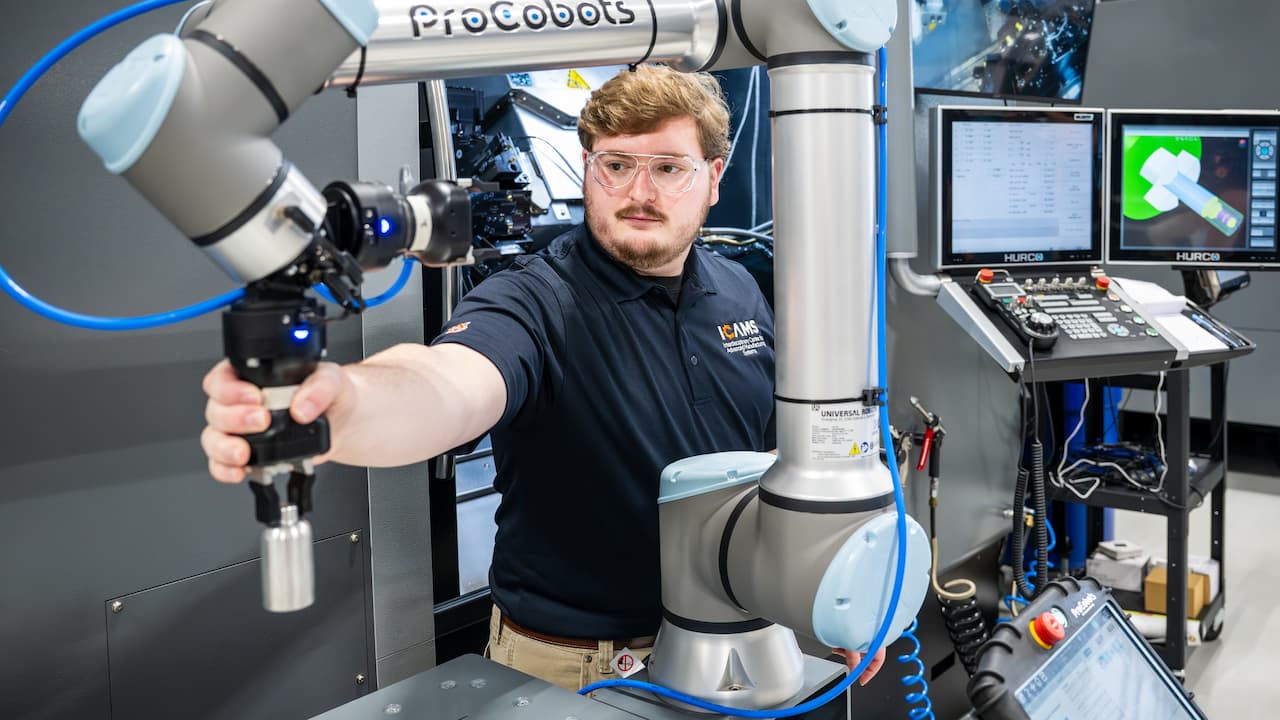
We forge partnerships with established industry leaders, dynamic startups, fellow research institutions and the public sector to accelerate innovation. We focus those combined efforts on real-world problems.

We help entrepreneurs turn bold ideas into successful ventures with essential tools and mentorship. Our incubators, accelerator programs and startup ecosystem empower innovators to redefine the future of business and technology.

The College of Agriculture has been awarded its largest single grant in the college's history to establish a new program with the International Fertilizer Development Center (IFDC). In its inaugural year, the new Feed the Future Fertilizer and Soil Health Innovation Lab is receiving approximately $10 million from the U.S. Department of State to advance the project's goals through a range of activities and programs. The award is for up to five years.

Cost controls, construction timelines and technical improvements that center on additive manufacturing techniques are vital to NASA engineers designing rocket engines necessary for modern-day space travel. Auburn Engineering's National Center for Additive Manufacturing Excellence (NCAME) is playing a crucial role in those endeavors.

A simple email to a faculty member led to mentorship, research experience and a professional foundation that helped launch a path to orthopedic surgery.

Auburn University researchers and collaborators discovered evidence that a key molecule involved in inflammation, interleukin-1, evolved much earlier than scientists previously thought. The researchers are uncovering new clues about the evolution of animal immune systems and potential connections to human health.

Chronic wasting disease (CWD), one of the most significant diseases affecting white-tailed deer, has proven to be one of the most fatal neurological diseases threatening North America's wildlife populations. Once established in a deer population, it is extremely difficult to eliminate. An Auburn University disease ecologist and his colleagues have developed a new simulation modeling tool that can help identify captive facilities with undetected CWD, helping wildlife agencies target surveillance efforts and make more informed disease management decisions.

Auburn's College of Education is expanding its role as a leader in educational policy research and practice through the continued growth and influence of its Plains Research Consortium, an initiative that is translating rigorous scholarship into actionable insights for policymakers, educators and communities across Alabama and beyond.
